Scout at the useful time
A midday photograph cannot tell you everything about a location planned for an early morning scene. When possible, visit at the intended shooting time and watch how the light changes. Note where the subject can move, what appears in the background and how quickly the conditions shift. Those observations turn a beautiful location into a practical plan for a sequence.
Think about direction
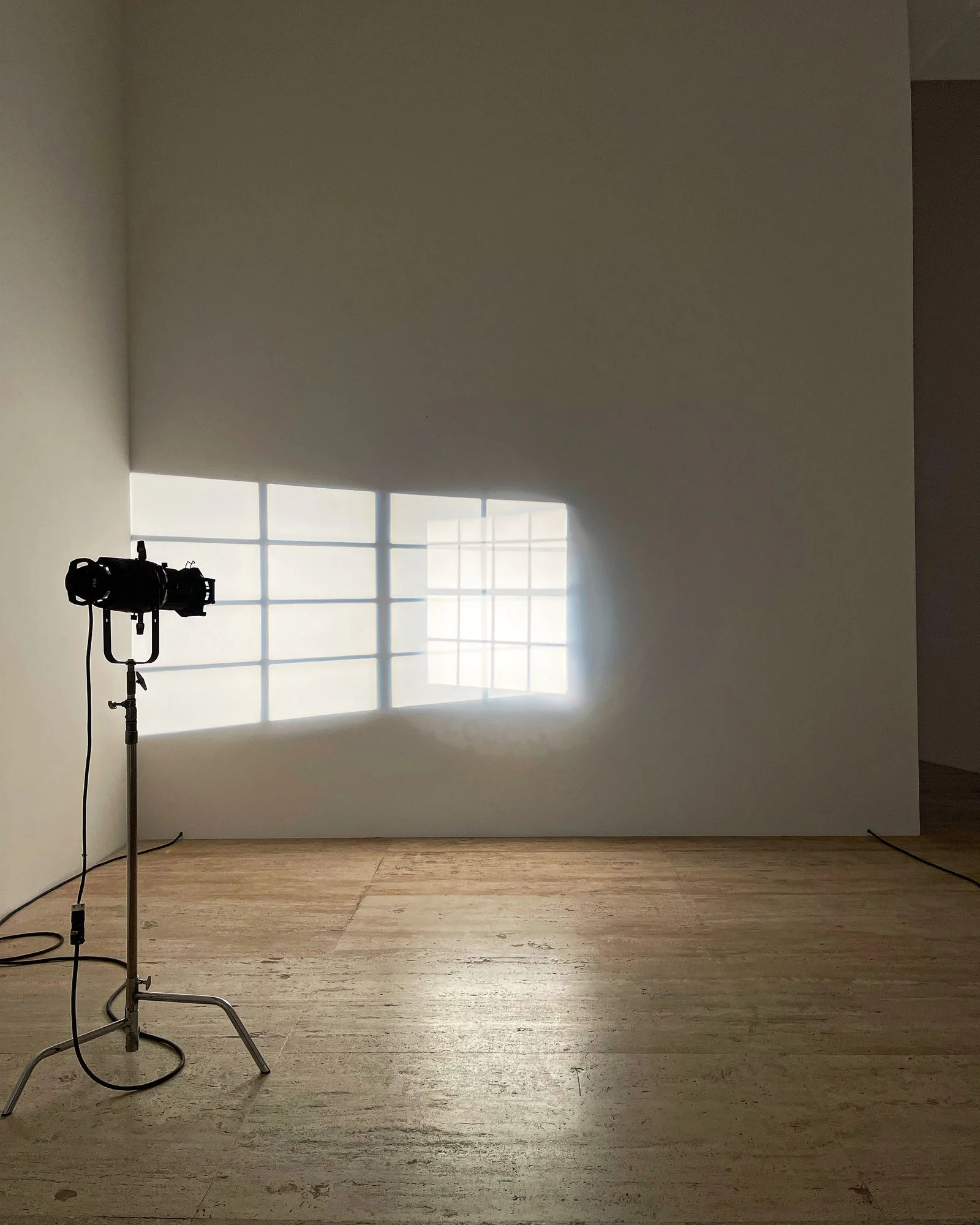
The position of a window or the path of the sun can determine where the camera belongs. Look at the face, the texture of clothing and the separation from the background before adding equipment. Sometimes moving a person a short distance is more useful than increasing the light. Start by understanding what the location already offers, then decide what needs to change.
Plan continuity, not just beauty
A striking patch of sunlight may last only a few minutes. If the scene needs several angles, decide how they will hold together as the conditions move. Shoot in a deliberate order, simplify the coverage or build a controllable alternative. The strongest single frame is not always the best starting point for a scene that must feel continuous.
Leave room for weather
An exterior plan needs an answer for changing conditions. Identify sheltered positions, useful overcast looks and a sensible order for weather-sensitive shots. Discuss these options before the crew is waiting on location. Preparation does not guarantee a particular sky; it gives the production choices, so a change in the weather can become a creative adjustment instead of a complete stop.