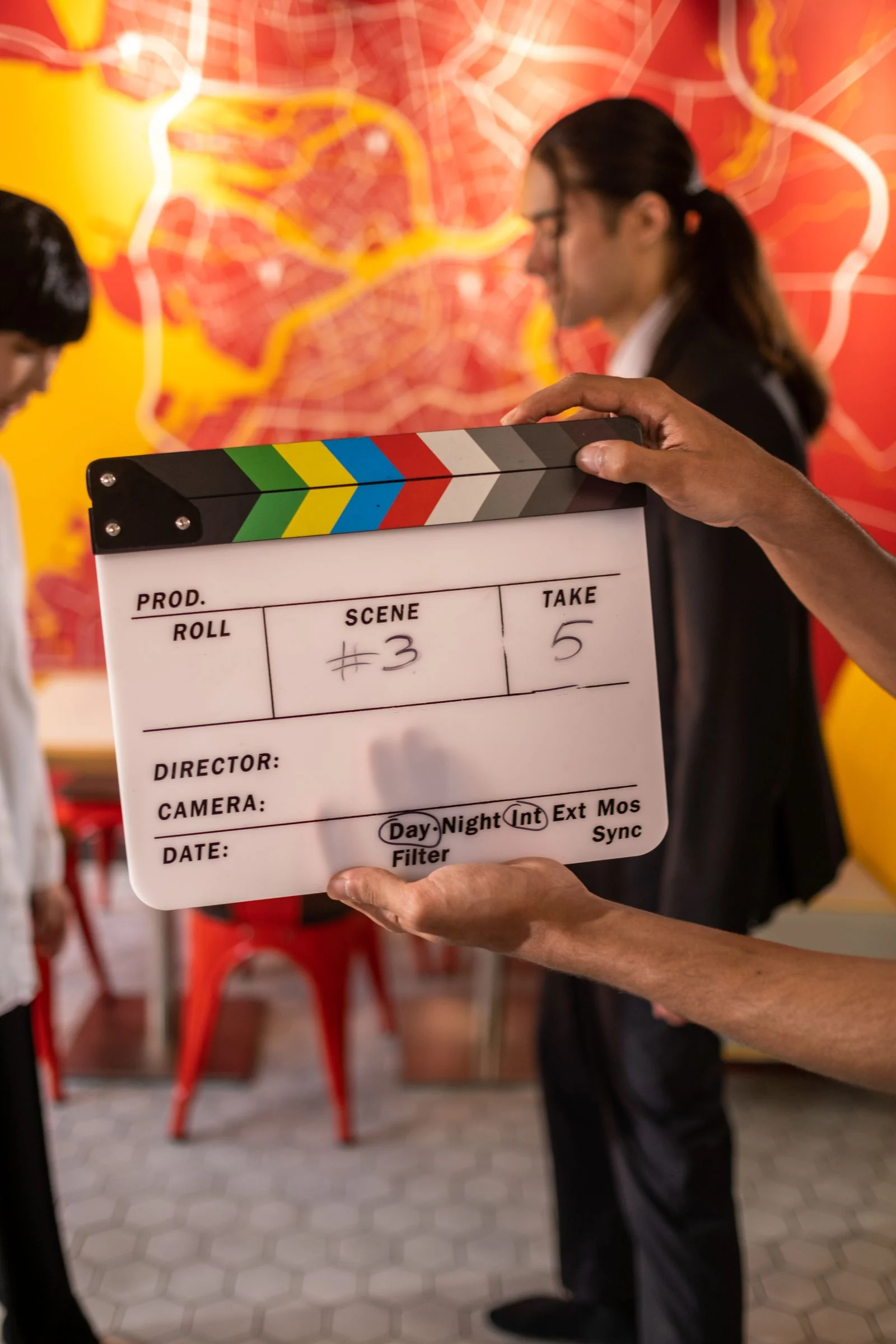
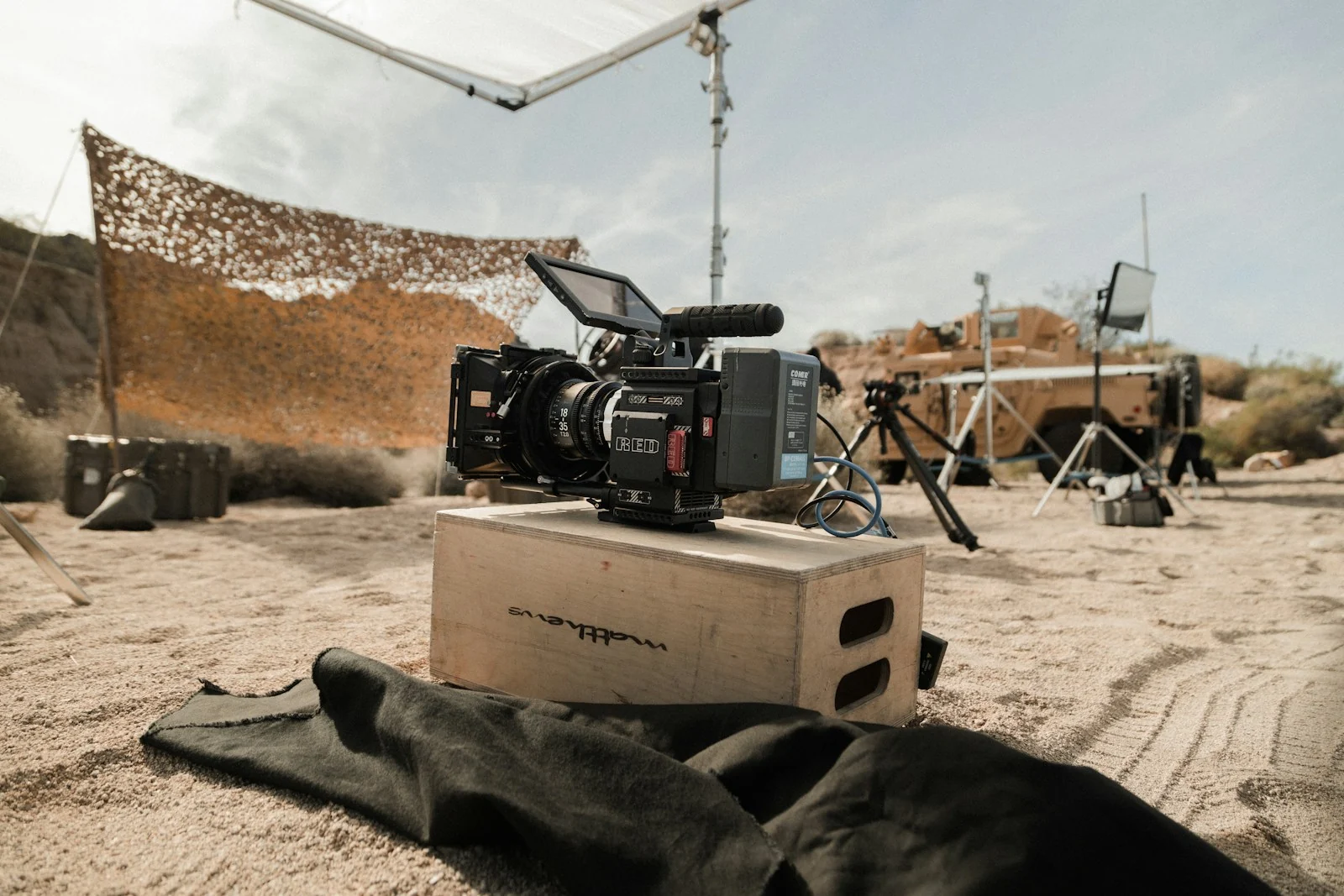
Start with the creative question
Before introducing any tool, name the problem it is meant to solve. A rough visual reference, a transcript and a finished shot are different outputs with different standards. Speed is useful when it creates more time for judgment. It becomes a distraction when a team produces endless options without agreeing on the question those options are supposed to answer.
Keep references legible
An exploratory image should be identified as an exploratory image. It may communicate colour, framing or atmosphere without proving that a location, person or production method exists. Explain those limits when sharing a treatment. Clear labels help everyone discuss the idea without quietly turning a visual suggestion into a promise about what will appear in the finished film.
Protect the material
A production can involve unreleased products, private locations and footage of identifiable people. Do not assume that every service is an appropriate place to upload it. Agree on the permitted tools and handling of source material with the client and production team. A convenient workflow is only useful if the people responsible for the material understand and accept it.
Judge the finished frame
Whatever produced an image, it must survive the same creative questions. Does the movement feel intentional? Does the light belong to the scene? Is the detail consistent between shots? Watch at delivery size and at normal speed, then inspect difficult moments closely. The tool does not excuse a distracting result, and novelty is not a substitute for a clear story.