Separate stillness from inactivity
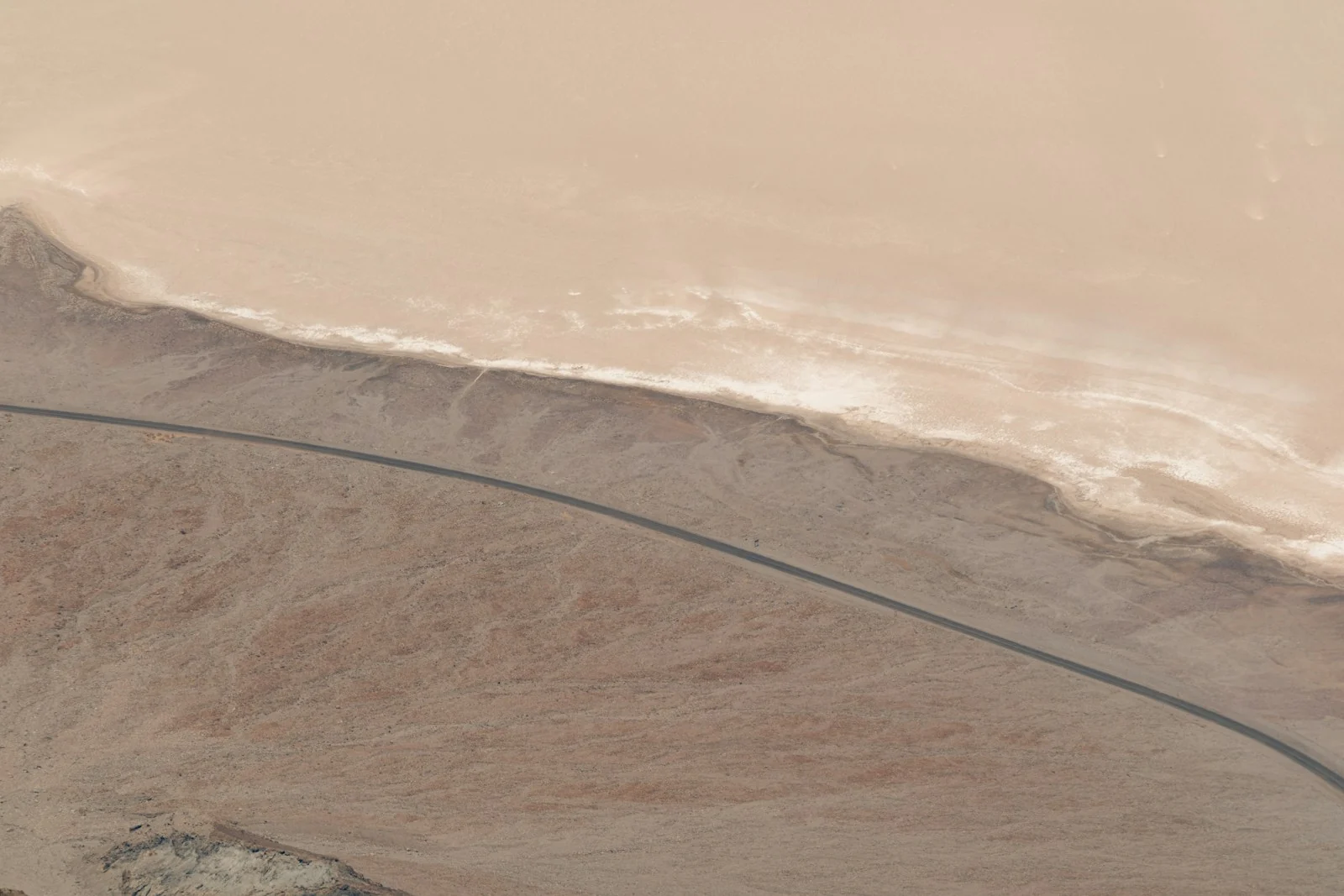
A quiet frame can contain a great deal of movement: a shift in attention, a breath, a sound outside the image. Look for what the viewer is waiting for, even when the camera does not move. If there is nothing to notice or anticipate, a longer duration may simply feel empty. Stillness works when it gives a small event room to register.
Hold the reaction
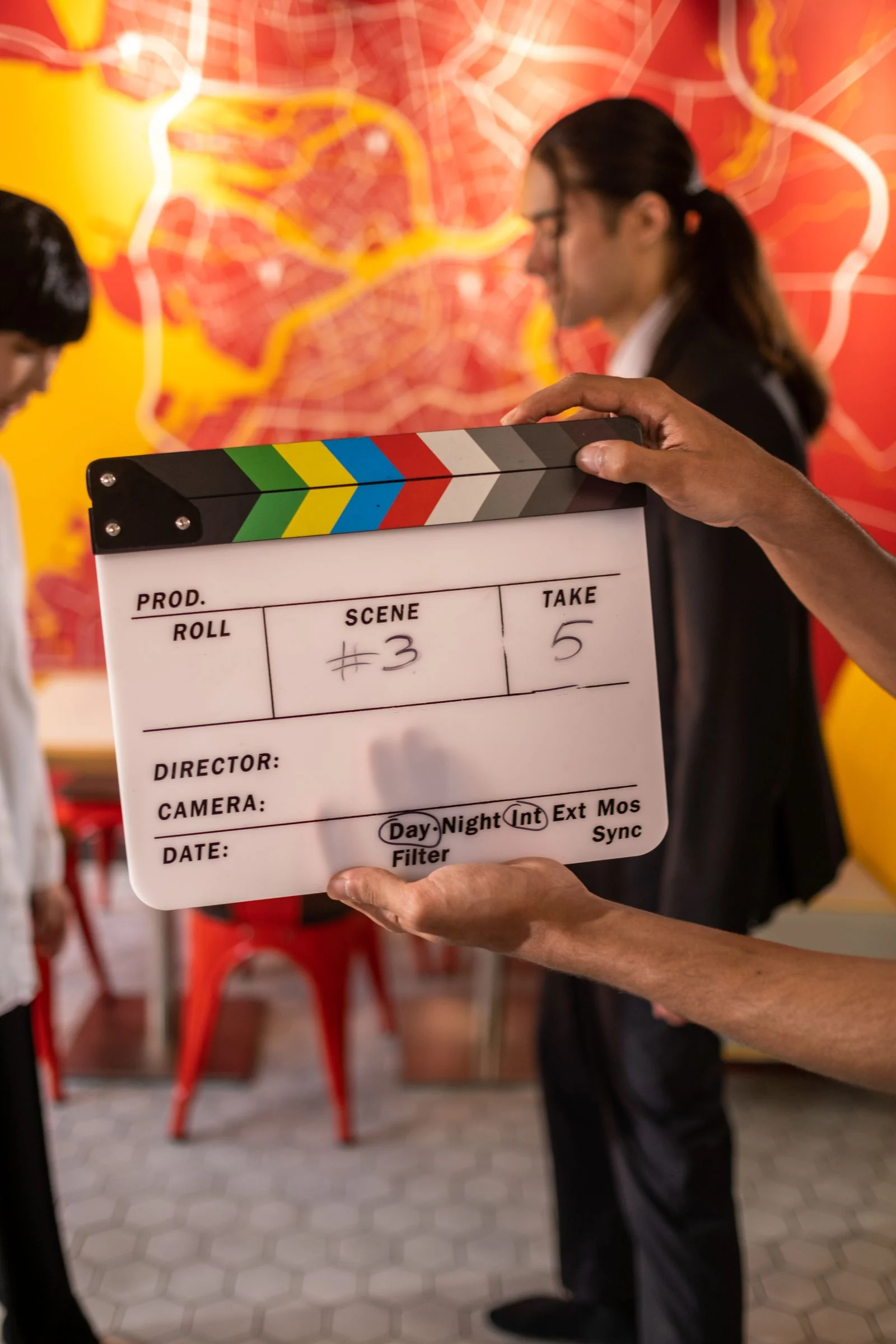
The most useful moment in a performance can arrive after the spoken line or completed action. Keep the camera running long enough to capture that transition. In the edit, try allowing the response to finish before moving on. A slight delay can make a scene feel observed rather than assembled, particularly when the next shot otherwise explains what the audience has already understood.
Use contrast carefully
A fast sequence often feels faster when it follows a quieter one. The same principle works in reverse: a held image can carry more weight after a series of quick cuts. Shape the rhythm across the whole piece instead of treating every shot as an independent choice. Contrast gives pace a direction, while constant intensity can gradually make everything feel the same.
Respect the delivery
A pause that works in a longer film may need a different shape in a short cutdown. Preserve its function rather than its exact duration. Perhaps one breath replaces a longer waiting scene, or a sound carries the transition over a shorter image. Adapting a film means rebuilding its rhythm for the available time, not merely removing frames until it fits.