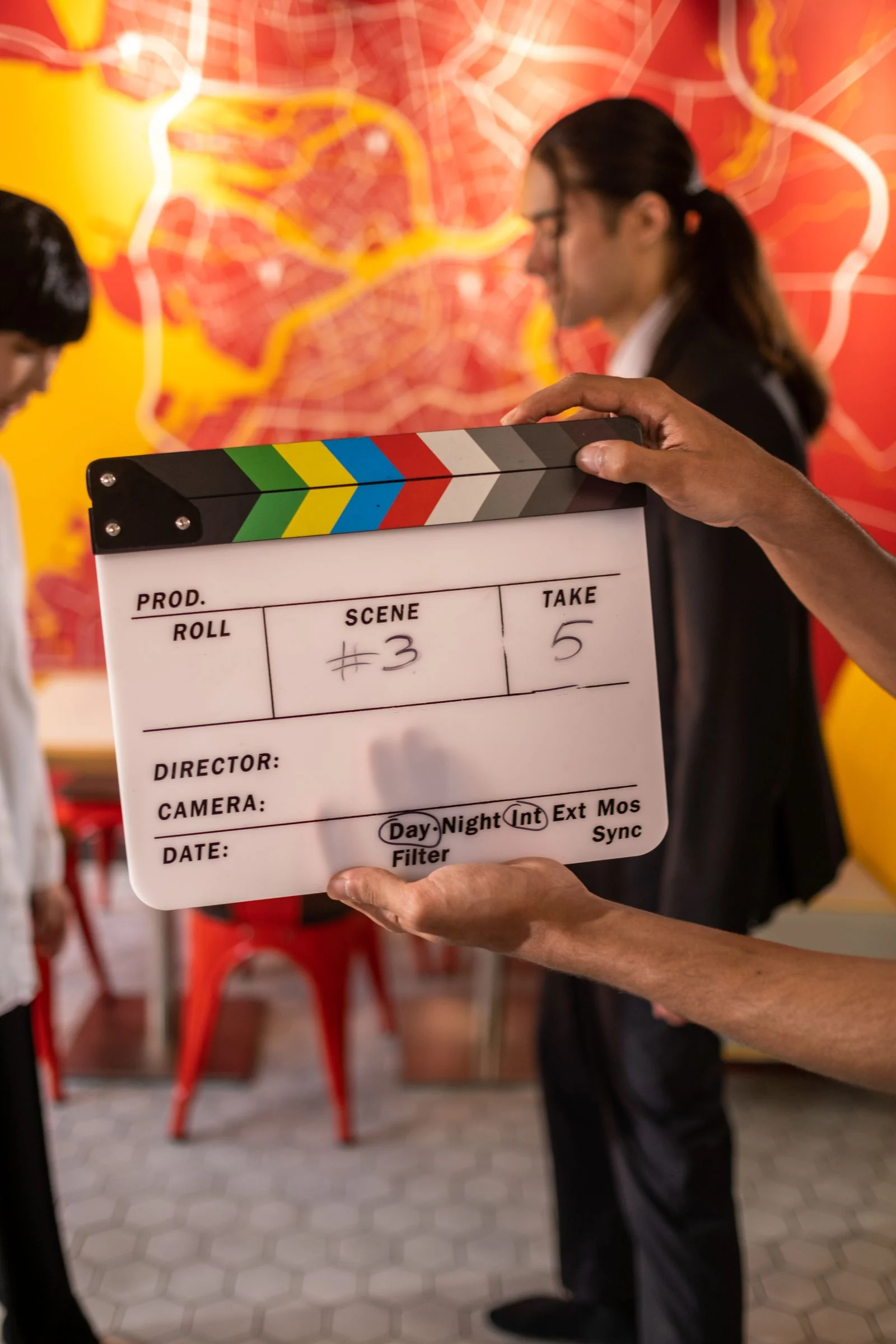
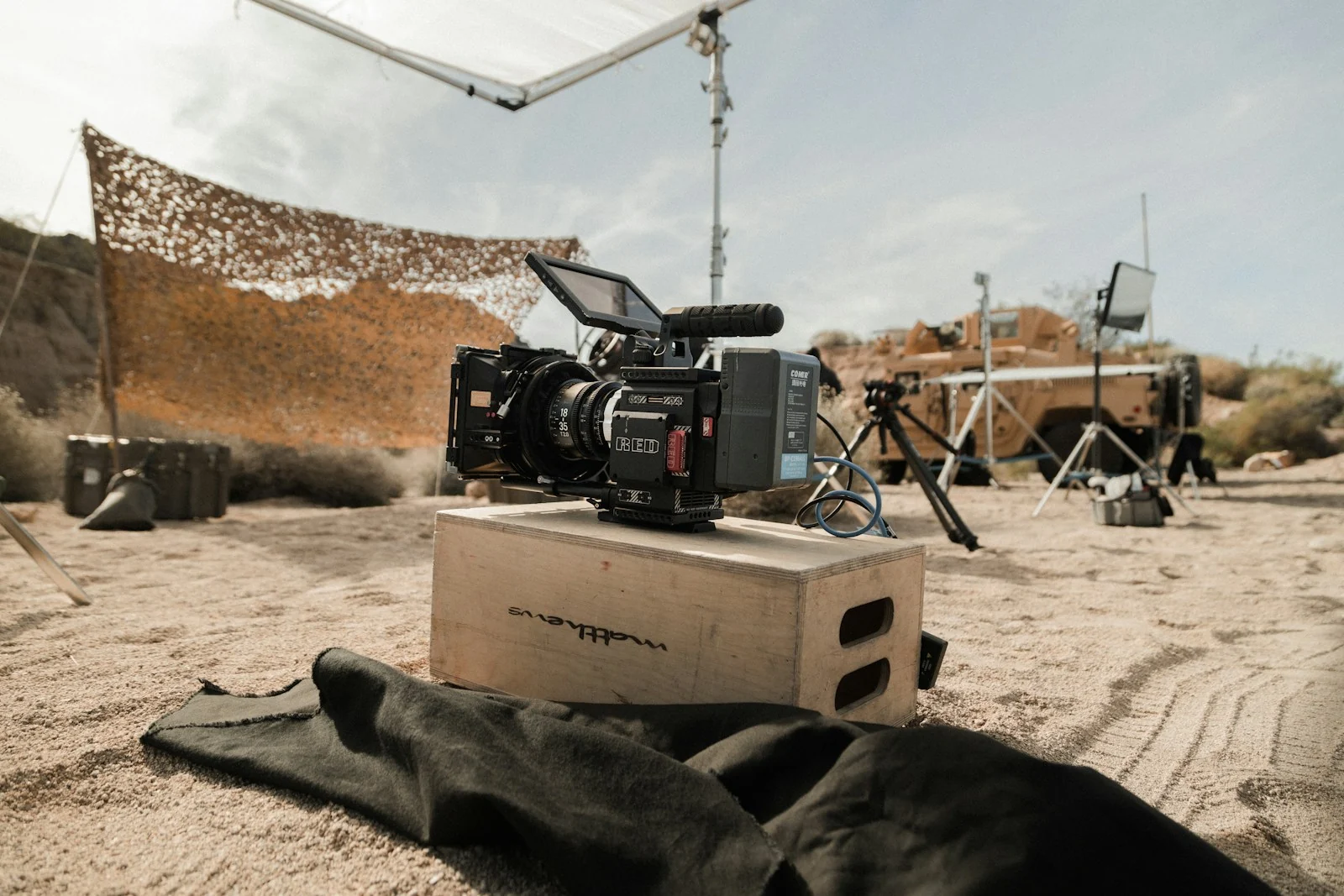
Watch before arranging
Start by looking carefully at what was captured. Mark useful performances, unexpected transitions and moments that continue after the planned action. The best option may not be the take that felt strongest on set. Reviewing with a little distance gives the footage a chance to reveal its possibilities before the timeline becomes crowded with decisions that are hard to question.
Build a clear spine
Before polishing individual cuts, make the progression understandable. What changes between the beginning and the end? Which image introduces that change, and which one completes it? A rough assembly should answer those questions even when the sound and colour are temporary. Once the structure works, refinements have a purpose beyond making each isolated moment feel more impressive.
Listen to the cut
A sound can prepare the next image before it arrives. It can also hold a scene together while the picture moves somewhere unexpected. Try the sequence with atmosphere, with dialogue alone and with the music removed. These passes reveal whether the rhythm comes from the material or whether a track is doing all the work of holding attention.
Remove what repeats
Two beautiful shots may perform the same job. Keep both only if the second adds something: a new detail, a stronger feeling or a meaningful change in perspective. Shortening a film is not simply a matter of increasing the pace. It is a matter of protecting the moments that matter by removing the ones that ask for attention without returning anything.